

12 Apps That Support Sustainable Living

Living more sustainably doesn’t have to mean a complete lifestyle overhaul. Some of the most impactful changes you can make are small daily decisions, such as how you get around, what you eat, what you buy, and what you do with what you no longer need. The good news is there’s a growing collection of apps that make it all easier.
But before diving into the apps themselves, it helps to understand the framework that guides most thinking about sustainability, and why it’s organized the way it is.
What Is Sustainability?
In 1987, the United Nations Brundtland Commission defined sustainability as “meeting the needs of the present without compromising the ability of future generations to meet their own needs.” That deceptively simple definition has since become the foundation for how governments, businesses, and individuals think about long-term well-being.
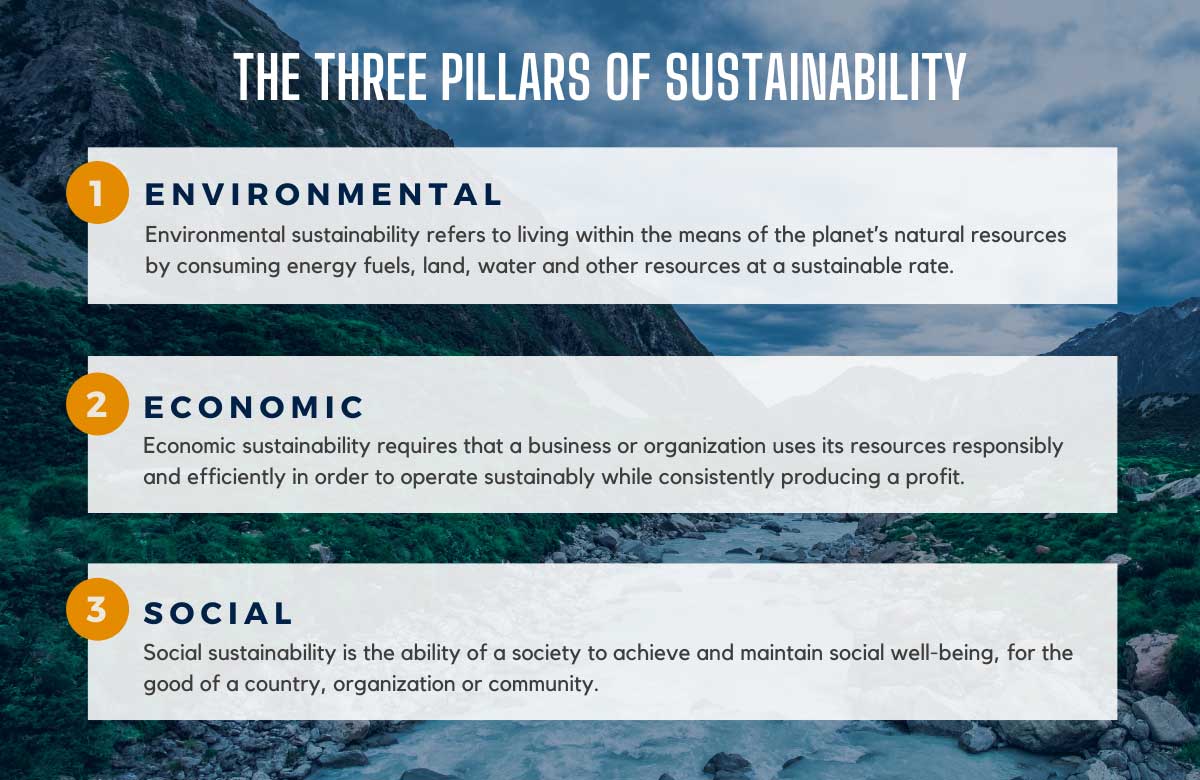
Most sustainability frameworks build on this idea through three interconnected pillars — environmental, social, and economic — sometimes called the “triple bottom line.” Environmental sustainability focuses on maintaining the natural resource base; social sustainability requires that individual needs for health, well-being, nutrition, shelter, and education be met; and economic sustainability is achieved when development that advances social and environmental sustainability is also financially viable. The key insight is that these three pillars don’t compete — they reinforce each other. A city with clean air, equitable transit access, and affordable food options is more sustainable across all three dimensions simultaneously.
That’s exactly what the best sustainability apps are designed to support. The ones featured here are organized by pillar, though many touch on more than one. All are free or downloadable, and all are practical enough to fit into everyday life.
Environmental Sustainability: Protecting Natural Resources
These apps help reduce pollution, cut emissions, minimize waste, and lighten your footprint on the natural world.
Transit — Free, with optional premium subscription
One of the most direct ways to reduce personal emissions is to leave the car behind — and Transit makes that genuinely easy. The app pulls together every transportation option near you in real time: buses, subways, bikeshare, e-scooter rentals, and rideshare. It helps you pick the fastest or greenest route at a glance, available across more than 200 cities worldwide.
Lime — Free to download; pay per ride
Shared e-scooters and e-bikes are among the most efficient ways to cover short distances without a car. Lime, the world’s largest shared electric vehicle company, operates in more than 200 cities across nearly 30 countries. In 2024, Lime provided more than 200 million rides and estimates its vehicles replaced 43 million car trips, avoiding 20,000 metric tons of CO₂ emissions. Lime also offers a Lime Access program with discounted rates for income-qualifying riders and cash payment options for those without a credit card.
PlugShare — Free
If you drive an electric vehicle — or are considering one — PlugShare is essential. It’s the world’s most comprehensive EV charging map, covering more than 750,000 stations across 200+ countries, powered by a community of drivers who leave real-time reviews and photos at each location. You can filter by plug type, charging speed, or network, check current availability, and pay for charging directly through the app.
Ecosia — Free
Ecosia requires zero behavior change: just use it instead of Google. Ecosia is a search engine that uses its advertising revenue to fund tree-planting and climate restoration projects, and by 2025 it had achieved its original goal of planting 230 million trees across more than 35 countries. The company runs its servers on renewable energy and publishes transparent monthly financial reports. Available as a mobile browser app on iOS and Android, and as a desktop browser extension.
iRecycle — Free
Built by Earth911, iRecycle gives you access to more than 1.6 million recycling locations across the United States for approximately 350 different materials — including the hard-to-recycle items that can’t go in a curbside bin, like batteries, medications, old electronics, eyeglasses, and appliances. Search by material type or by your location to find the nearest drop-off point.
Recycle Coach — Free
Recycle Coach takes the guesswork out of curbside recycling by tailoring its guidance to your specific municipality. It tells you exactly what goes in the bin, what doesn’t, and when your collection days are — including reminders so you never miss pickup. It directly addresses one of the most common recycling problems: “wish-cycling,” or tossing questionable items in the bin and hoping for the best, which can contaminate entire loads and shut down recycling programs.
WasteConnect — Free
From Waste Connections, one of North America’s largest waste management companies, this app lets you set collection reminders and look up how to properly dispose of tricky items — yard waste, furniture, appliances, electronics, and more. A reliable reference for anything you’re not sure how to get rid of responsibly.
Tap — Free
Single-use plastic water bottles are among the most wasteful everyday purchases — and among the easiest to avoid. Tap maps thousands of free water refill stations worldwide so you always know where to top off your reusable bottle, whether you’re at home, at the gym, or traveling somewhere new.
Social Sustainability: Supporting Communities and Shared Well-Being
These apps strengthen local communities, reduce inequity, improve access to food, and help people make decisions that reflect their values.
Too Good To Go — Free
Too Good To Go connects users with restaurants, bakeries, cafés, and grocery stores that have surplus food at the end of the day — food that would otherwise be thrown away. You reserve a “Surprise Bag” through the app for roughly one-third the retail price, then pick it up during a set window. It’s a win for consumers looking for affordable food, a win for businesses recovering value from surplus, and a win for the planet. In the first seven months of 2025 alone, 8.1 million meals were saved through the app — a 67% increase over the same period in 2024 — with more than 15 million users in the U.S. and over 17,000 business partners nationwide, including Whole Foods Market, Peet’s Coffee, and Eataly. The app expanded into more than 30 U.S. cities in 2025 and plans to reach every American city with a population over one million by year-end.
OLIO — Free
OLIO is a neighborhood sharing app built to prevent usable food and household items from going to waste. List extra produce, pantry staples nearing their expiry, leftover party food, or household items you no longer need — and neighbors can claim them for free. It’s a local-first tool that turns would-be waste into something useful while building genuine community connections around shared resources.
Seasonal Food Guide — Free
Eating seasonally supports local farmers, strengthens regional food systems, and reduces the environmental impact of long-distance shipping. This free app lets U.S. users search by state, month, and food type to see exactly what’s at peak season near them — a handy companion for farmers market visits, CSA planning, or everyday grocery decisions.
HappyCow — Free, with optional paid version
HappyCow helps users find vegan and vegetarian restaurants, cafés, and health food stores in over 190 countries. Whether you’re plant-based full-time, doing Meatless Mondays, or just curious about options when traveling, it makes plant-forward eating more accessible wherever you are.
Buycott — Free
Buycott lets you scan any product’s barcode in a store and instantly see which company makes it, who owns that company, and whether it conflicts with causes you care about — environmental practices, labor rights, political donations, and more. You join campaigns aligned with your values, and the app flags products accordingly. It’s a practical way to make your spending reflect what you believe in, without doing deep research every time you shop.
JouleBug — Free
JouleBug takes a gamified approach to sustainable living, turning everyday eco-friendly actions — biking to work, bringing a reusable cup, turning off lights — into points, badges, and friendly competitions with friends or coworkers. It’s particularly useful for anyone who finds behavior change easier with positive reinforcement and a sense of community, and it works well as a group challenge in workplaces or schools.
Economic Sustainability: Smarter Spending, Less Waste
These apps help you shop more intentionally, extend the life of what you already own, and find better value — all while reducing the demand for new production.
ThredUp — Free
ThredUp is the largest online resale platform for women’s and kids’ clothing, with millions of secondhand items at significantly reduced prices. Buying used directly displaces demand for new production, keeps items out of landfills, and saves money. You can also sell unwanted clothing through their clean-out kit program. ThredUp’s fashion footprint calculator is worth visiting for a personalized look at your wardrobe’s environmental impact.
Depop — Free to browse; fees apply to sellers
Depop has become one of the most popular secondhand marketplaces, especially for vintage and unique finds. It operates like a social media feed crossed with an online store, making it easy to buy directly from individual sellers around the world. For anyone building a more sustainable wardrobe — or clearing space in their closet while earning a little money — it’s one of the most browsable resale options on mobile.
Good On You — Free
Good On You rates thousands of fashion brands across three pillars — people, planet, and animals — so you can quickly see whether a label is making genuine sustainability efforts or just greenwashing. It covers everyone from major fast fashion retailers to small independent labels and offers recommendations tailored to your style preferences. A must-have if you want your clothing choices to align with your values.
Etsy — Free
For those who prefer to buy new but want to do so more consciously, Etsy is the go-to marketplace for handmade, vintage, and independently crafted items. Supporting small makers typically means shorter supply chains, less mass production, and more durable, intentional goods. Etsy has committed to offsetting 100% of carbon emissions from shipping and packaging through investments in clean energy and forest protection projects.
These apps won’t solve sustainability challenges on their own — but they make better choices easier, more affordable, and more accessible for millions of everyday people. Whether you start with one download or several, the goal is the same: small, consistent actions that add up over time. Every meal saved from a landfill, every car trip replaced by an e-bike, every fast fashion purchase swapped for something secondhand — it all counts.